Returning to this dusty corner.
It’s been a solid minute since I last posted. In fact, it’s been over half a year. I’ve been meaning to write some awesome stuff for this blog, as it’s a more freeform outlet where I can sort of do what I want (after all, I make the site and the site bends to my will). It used to be a huge pain to update it, as I had to manually edit and run a Hugo build. Now that I have moved it over to Netlify with Decap as a backend CMS, it’s much easier for me to make new posts. So hopefully now I can post more often and actually make this blog worth revisiting.
Anyway, since the last post, I’ve been working on a few things as I always do. For one, I started experimenting with physical models as a substitute for 3D rendering in Blender. That might sound odd, but I was inspired by things like the rendered liminal spaces people make. Basically, it seemed like you could do the same thing but with physical miniatures, which would eliminate the friction of having to create and manipulate stuff in an artificial environment. If you can make it exist physically, light it physically, and photograph it physically, you’re essentially using the world’s best rendering engine.
Breakroom
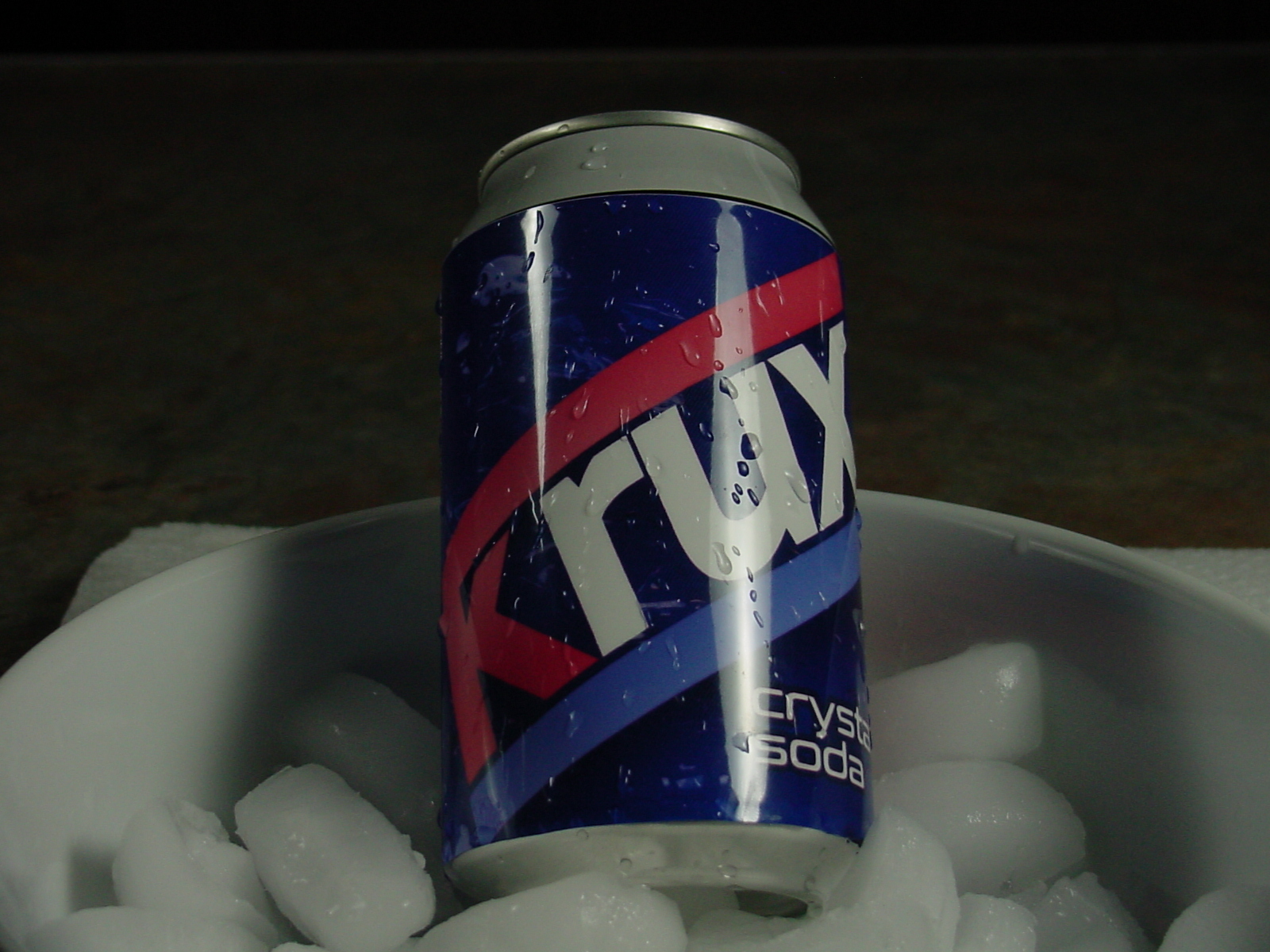
Breakroom is probably the closest I’ve gotten to the initial concept as I described it above. I spent around three days working on it, which started out with me preparing a prop can for some product photos to composite into the artwork that appears on the scale vending machine. The machine itself is a 3D print that’s about 1/24 scale. I tried to use actual dimensions from vending machine schematics to hopefully make it look believable.
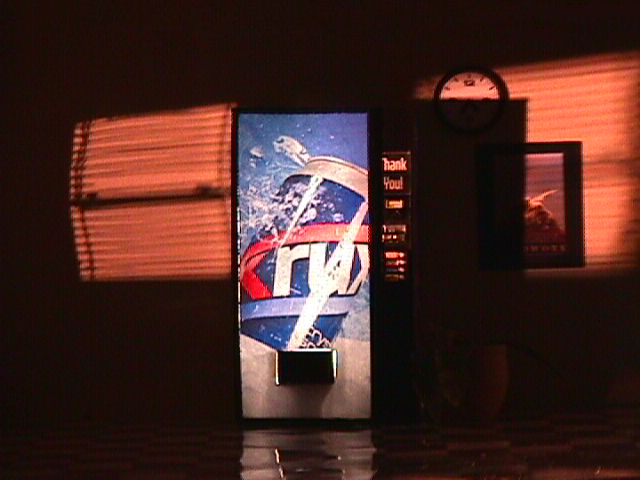
I used a combination of paint, stickers, and some laminated bits to turn the black plastic print into a somewhat believable miniature. The lighting is just a basic cut-to-size LED strip shoved in the back. If you want more specific build info, the link at the bottom of this section has all of the project files.
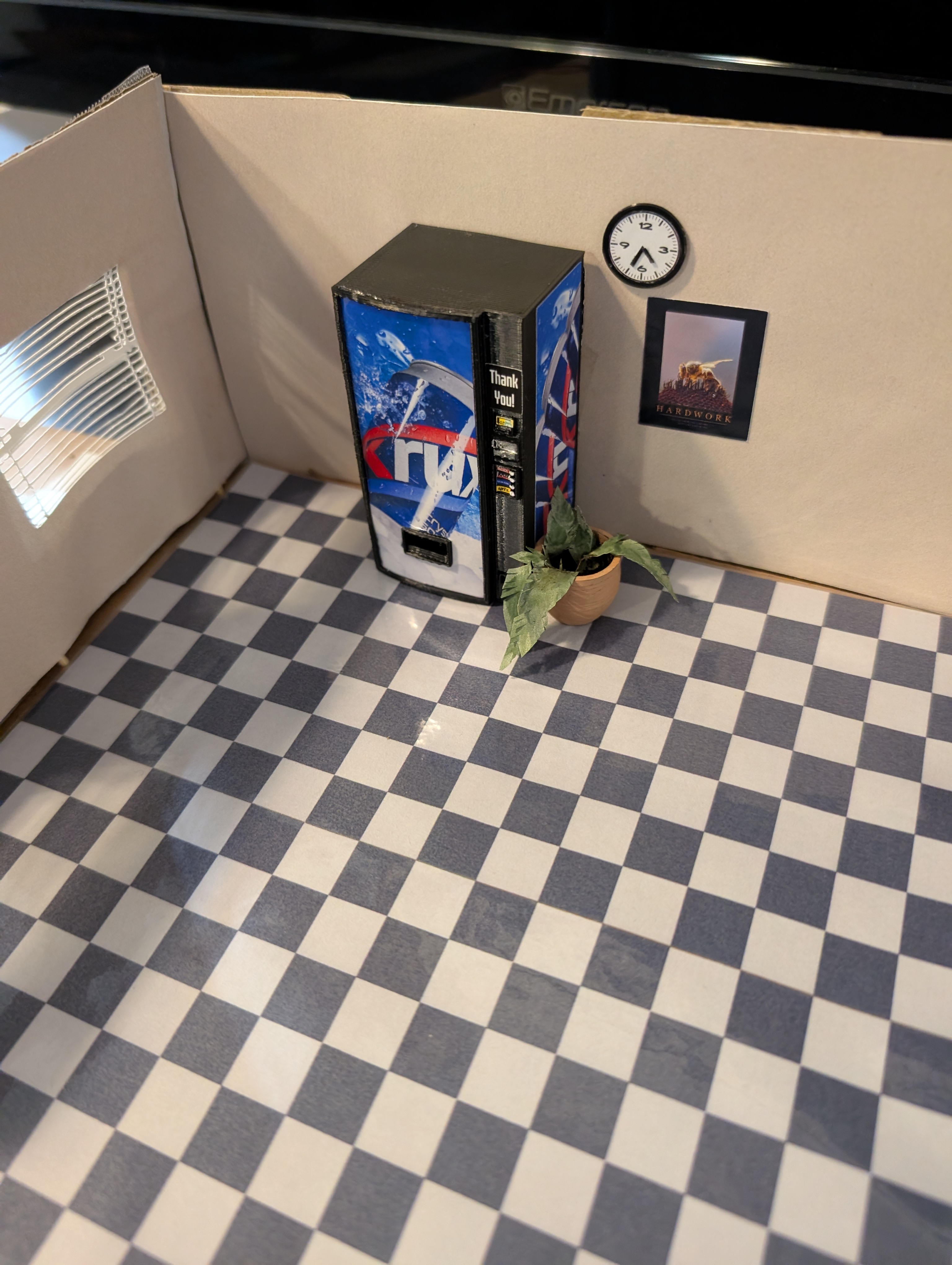
Most of the rest of the scene is just cut and printed paper, but I laminated the floor to try to get a more realistic, glossy look. To simulate sunlight for the final shot, I scribbled orange Sharpie on a clear sandwich bag and threw it over a super-bright LED flashlight. Since all of the stuff I made is original, and the few external assets I used were either dedicated or already in the public domain on Wikimedia Commons, I was able to license Breakroom into the public domain via CC0. You can find the source files for this project and the others here.
Pillar
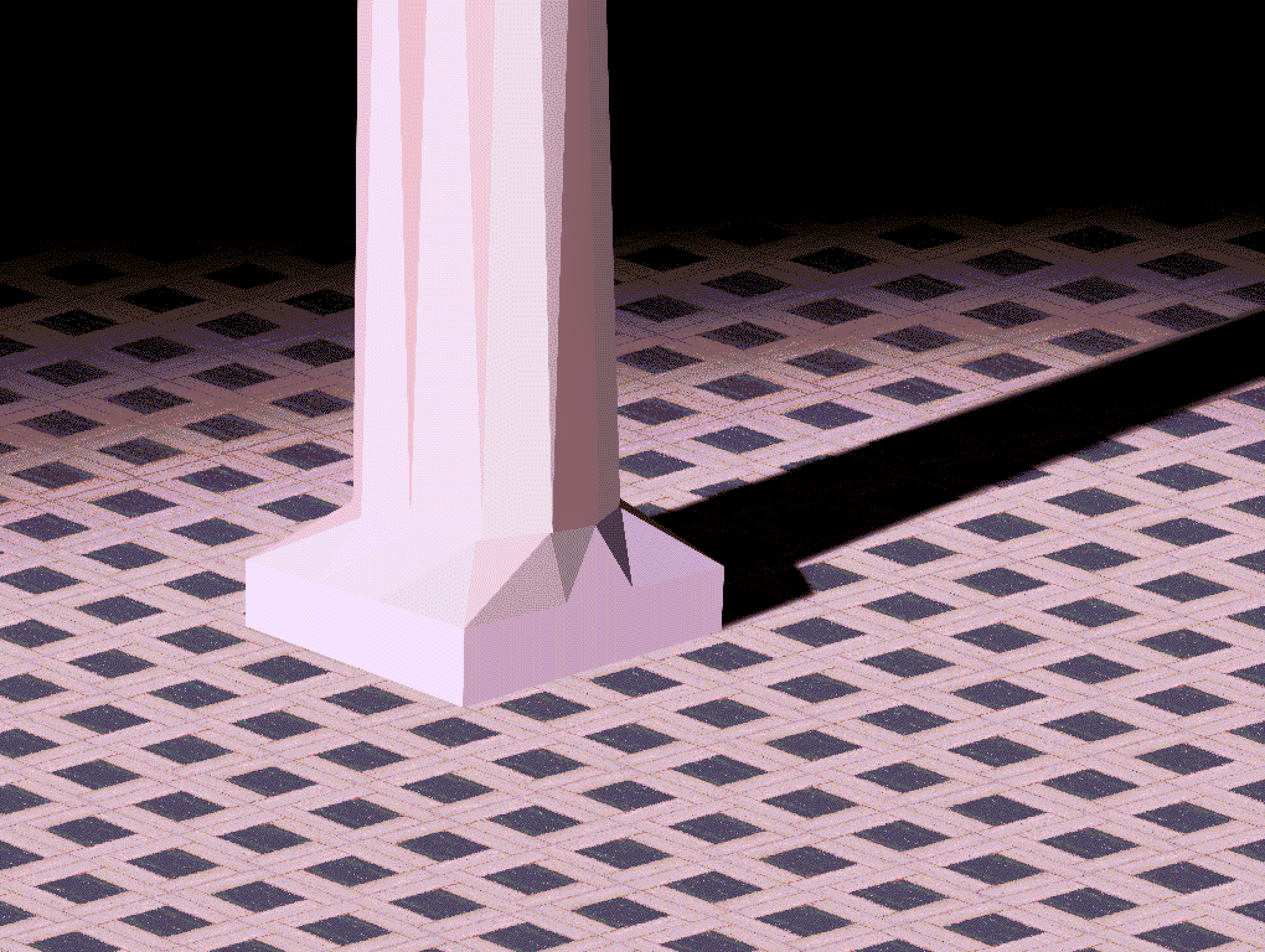
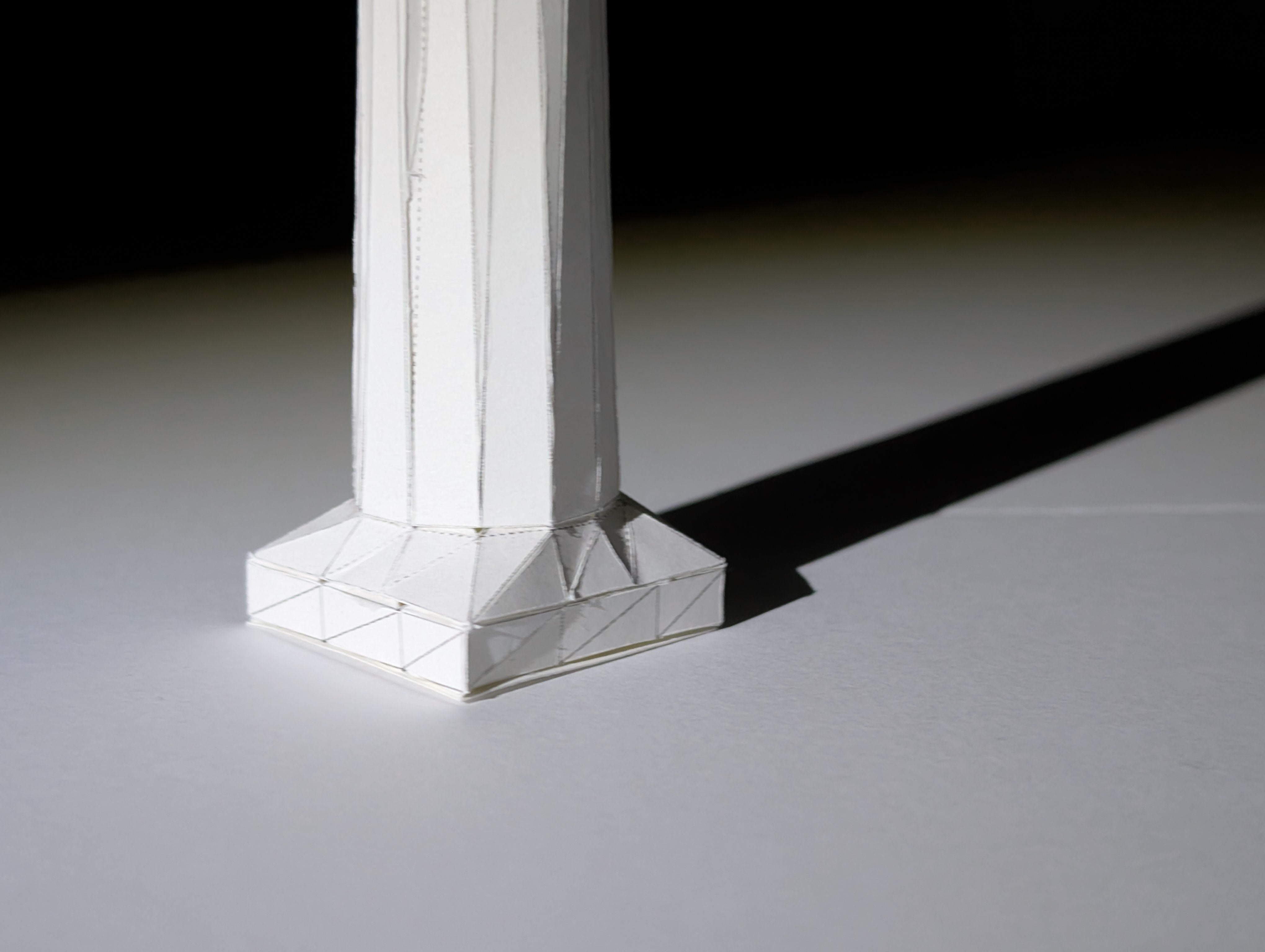
This one is also available at the link above. Instead of printing a pillar, I thought it would be neat to try papercraft for this one. If you have a cutting machine and score the fold lines, it’s actually quite easy to make complex shapes out of paper. I used an open-source papercraft program called, well, Papercraft, to convert a custom pillar model into something I could cut out. After that, I just lit it from an angle I thought looked decent, then made a collage on top of the image in Photoshop to make it look a bit like vintage CGI.
The Last Summer (WIP)
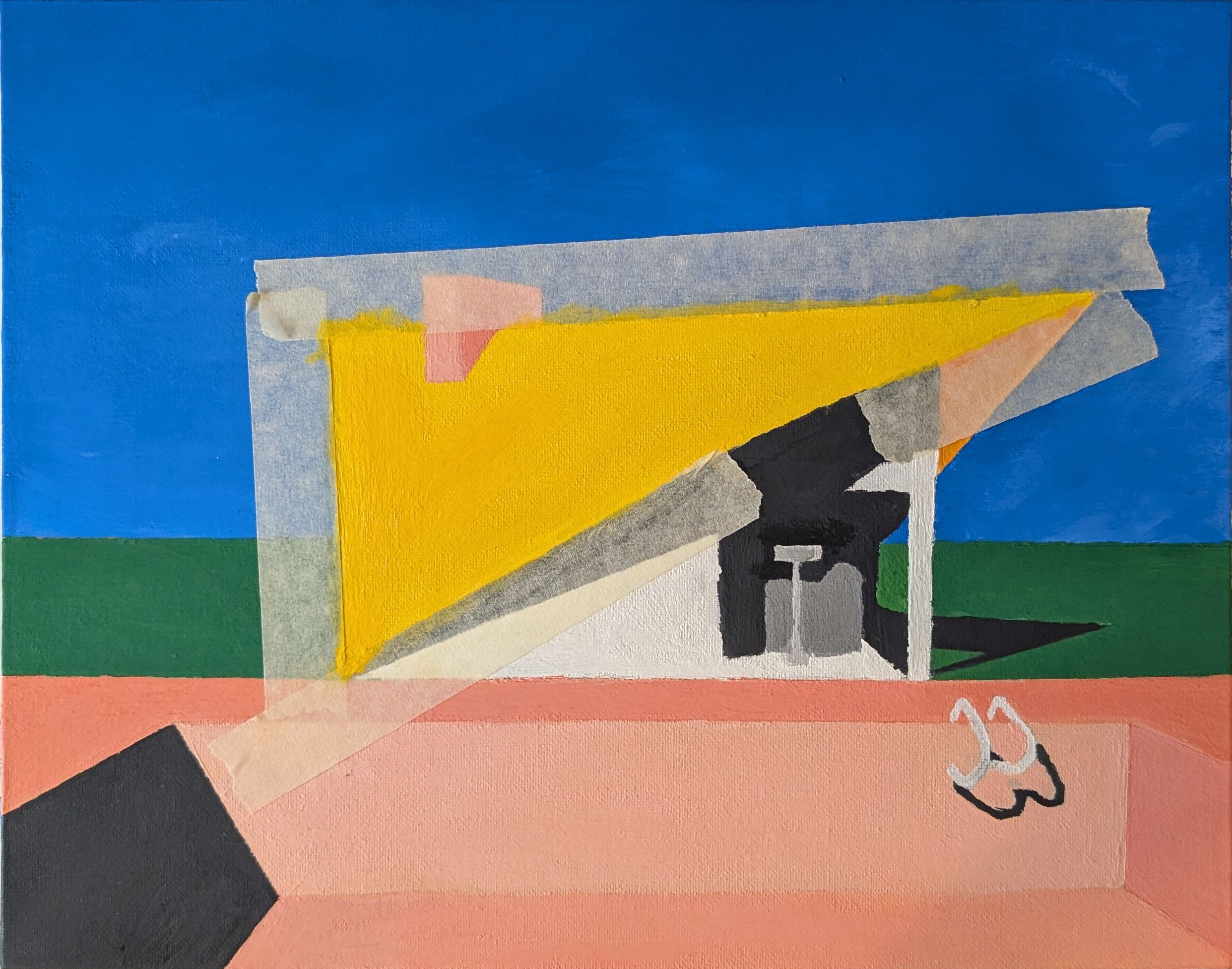
Norman Rockwell famously used projected photographs as the basis for many of his paintings, and I thought bolting a physical model onto that process would be an interesting experiment. As much as I like to call myself an artist for all of the other shit I do, I sort of suck at drawing things from memory. I’m just not practiced enough for it to really work out as well as I’d like, so I thought messing around with physical models as a reference might be an interesting workaround.
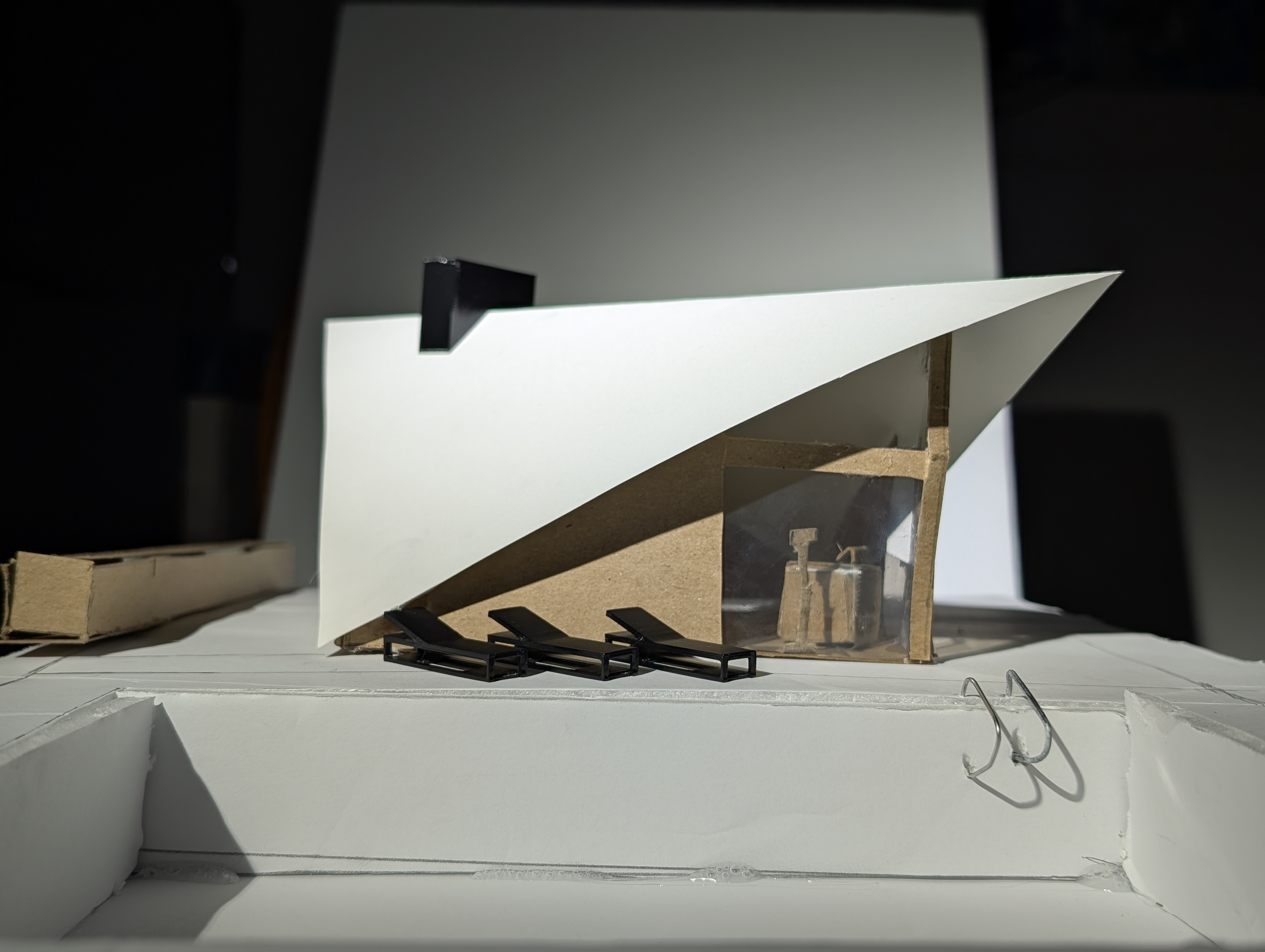
So that’s basically what I did. I found this super cool mid-century modern house in Dallas and decided to build a replica of one of the sections. Since “Buildings constructed before December 1, 1990, are not protected by copyright in the United States,” I figured this would be a pretty easy way to borrow an interesting architectural element. I built some basic stilts for the model base so I could add a fairly simple pool shape. I think I built this in around two or three hours; I was just trying to make a rough model to use as a reference. I then lit the model from the side and took a photo from the front. I wish I had a photo of the projection rig, but I basically just put my crusty old HP projector on a fully extended tripod, facing towards the floor.
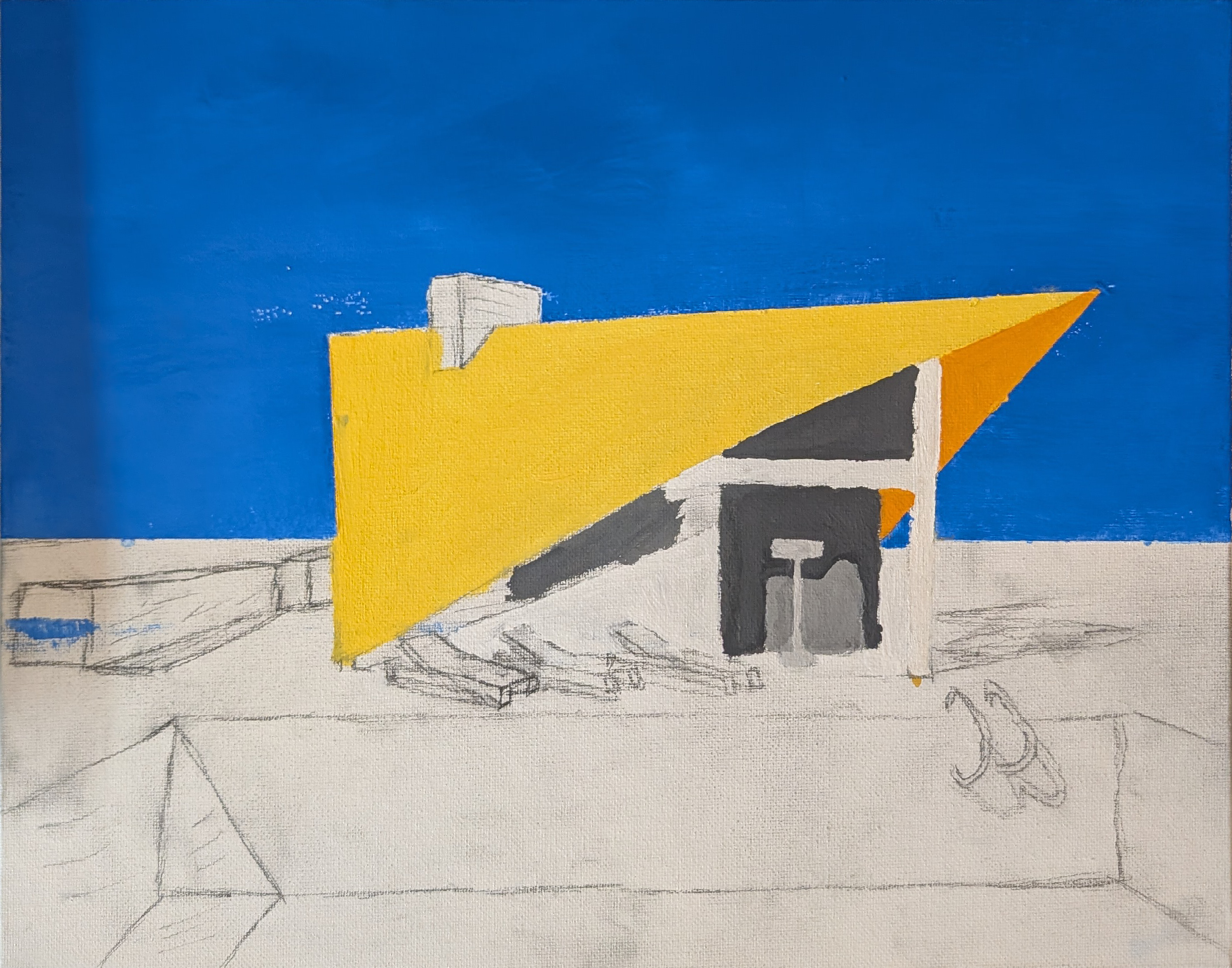
I ended up taking it in a more liminal direction, hence the working title, The Last Summer. Partly because it’s easier, and partly because it sort of satirizes the feeling these sorts of paintings sometimes evoke. I’m also not that great at painting with acrylic, so I’ve been using tons of masking tape and a heat gun to attack bits of this at a time. The masking tape bleeds, and the whole process is fairly inefficient, but I’d say I’m almost done with it. Maybe three hours more, but I just need to find the time.
Anyway, those are some of the more recent art projects I’ve been working on. I’ve also done a ton more in that time. Heck, I even started working on an atmospheric DnB mini-album. I have some weird tech stuff coming up to share that will probably be more interesting, though, so do check that out in the coming weeks. I have a 4G Nokia 3310 motherboard on the way, plus I’m going to see if I can get USB-C working for charging. I also have some findings from fixing up an old Garmin eTrex Vista, and I’m dipping my toes back into PalmOS with a Tungsten E. All three are related, but that’s a story for another post.